Ask an AI agent for a diagram and you usually get the same thing back: rounded boxes, pastel fills, arrows going in every direction. It works, but it rarely looks like something you'd put in front of your leadership team.
Diagram-design, an open-source skill by Cathryn Lavery for Claude Code, Codex, Copilot and a few other agents. It teaches the agent to draw like someone with taste.
If you run more than one AI coding agent, you know the routine: one terminal for Claude Code, another for Codex, a third for Cursor. Context scattered everywhere.
𝗧𝟯 𝗖𝗼𝗱𝗲 tackles that. It's an open-source control surface for the coding agents already installed on your machine.
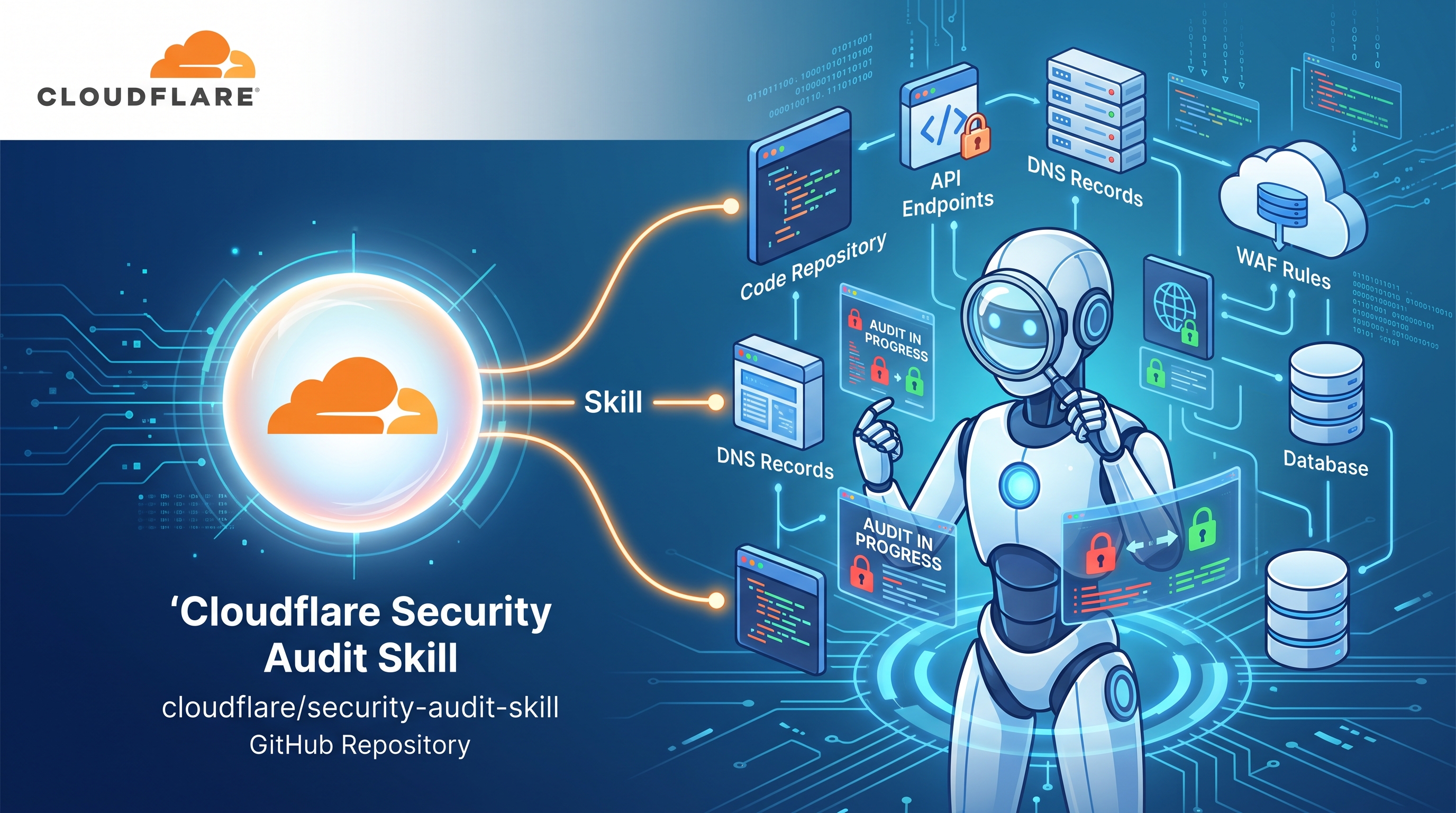
Cloudflare just open-sourced an interesting approach to AI-assisted security audits: security-audit-skill.
Instead of asking one coding agent to “find vulnerabilities” and trusting its output, the skill uses a structured, multi-phase workflow:
→ Maps the architecture, trust boundaries, and attack surfaces → Assigns isolated agents to investigate different areas → Uses fresh agents to challenge and verify potential findings → Separates confirmed, unresolved, and rejected findings → Produces machine-readable results and detailed reports → Builds on previous runs to improve coverage over time
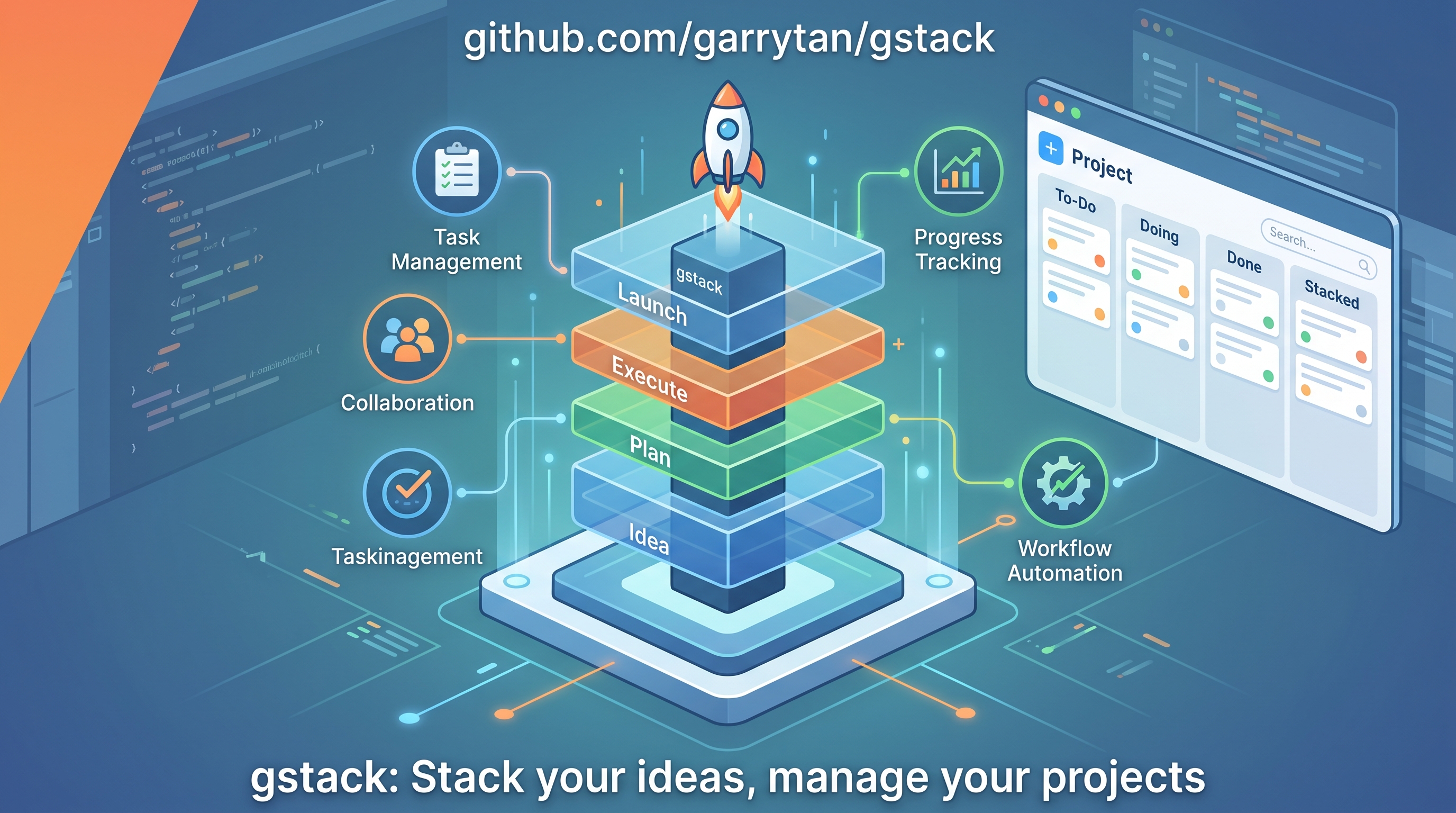
Garry Tan just open-sourced gstack, a collection of 23 opinionated tools that gives Claude Code specialized roles, including CEO, designer, engineering manager, staff engineer, QA, release manager, and documentation engineer.
The interesting part isn’t just the number of tools. It’s the workflow connecting them:
Think → Plan → Build → Review → Test → Ship → Reflect
Each step feeds context into the next. Product discovery produces design documents, engineering planning creates test plans, reviews look for problems that pass CI but could fail in production, and QA verifies fixes before shipping.
Some of the commands include:
→ /office-hours to challenge assumptions before writing code → /plan-ceo-review to rethink product scope and opportunities → /review to identify bugs and incomplete implementations → /qa to test, fix, verify, and generate regression tests → /ship to run final checks, push the changes, and open a PR → /design-shotgun to generate and compare multiple design directions
The “Awesome LLM Apps” repository brings together more than 100 open-source AI agents, agent skills, and RAG applications.
It covers everything from beginner-friendly, single-file agents to more advanced projects involving:
• Memory and multi-step reasoning
• Multi-agent teams
• Voice AI
• Generative interfaces
• RAG pipelines
• Always-on agents and automation
A few practical features that stood out:
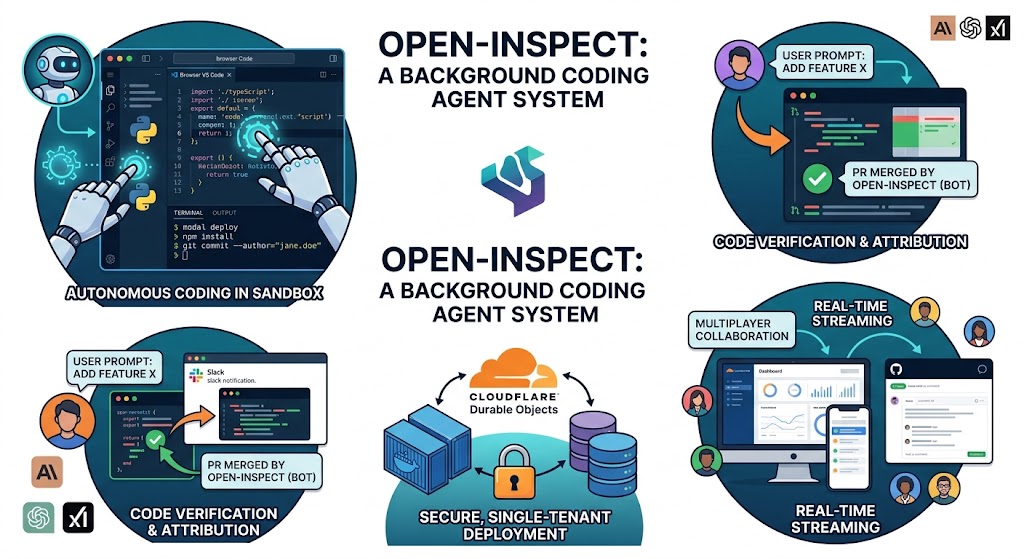
- It runs tasks asynchronously in the background rather than blocking your flow.
- "Multiplayer" sessions let multiple people collaborate or observe the agent in real time.
- It's model-agnostic, allowing you to swap in Anthropic's Claude, OpenAI, or others depending on the task.
- It’s designed as a single-tenant system, meaning it can be deployed securely behind a corporate VPN and connected straight to internal repos.
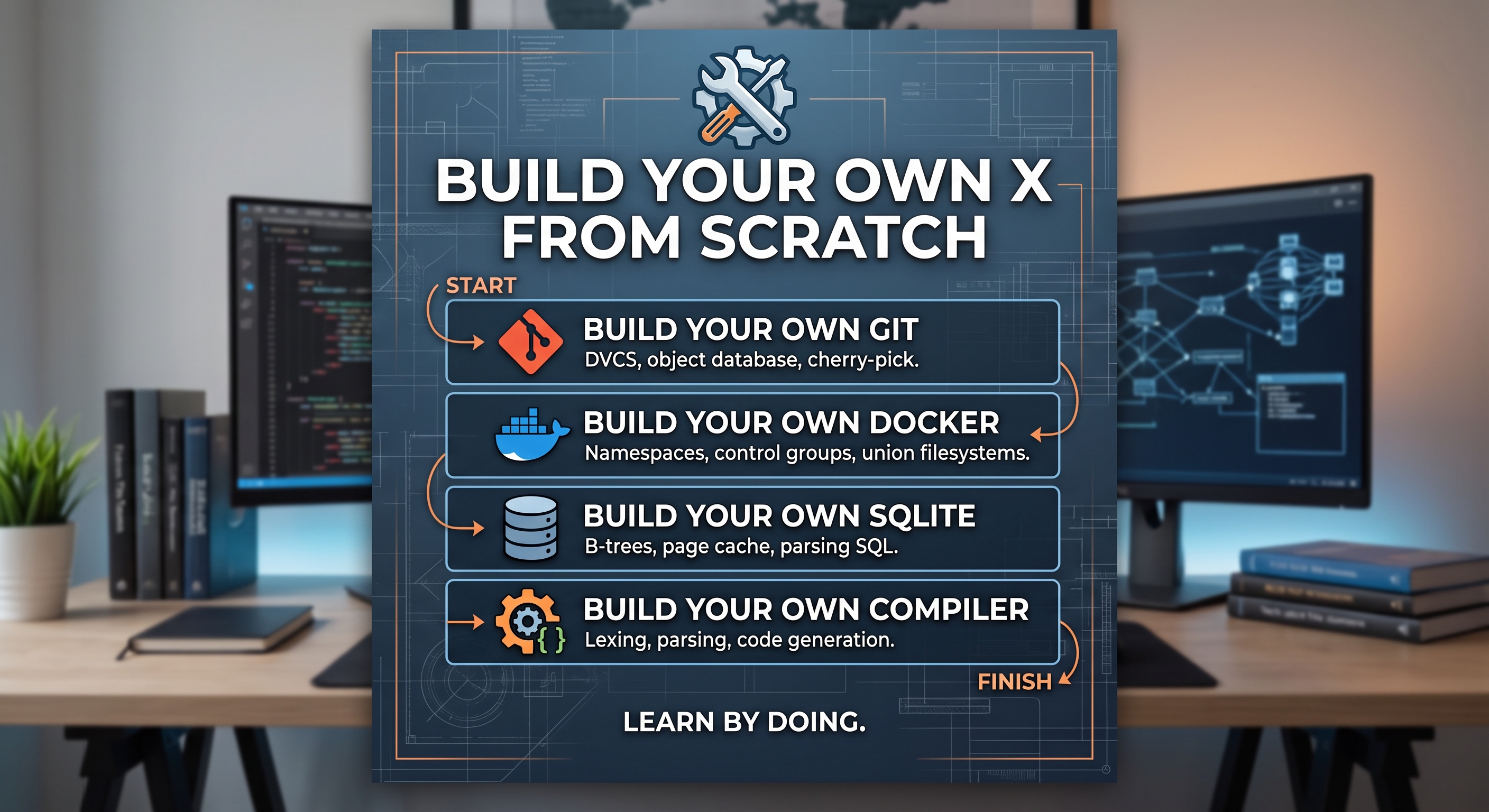
Want to understand how technology really works? Try rebuilding it from scratch.
The “Build Your Own X” repository is a huge collection of step-by-step tutorials for recreating tools and technologies such as:
• Databases and web servers
• Git and Docker
• Programming languages
• Neural networks and AI models
• Operating systems
• Browsers, search engines, and more
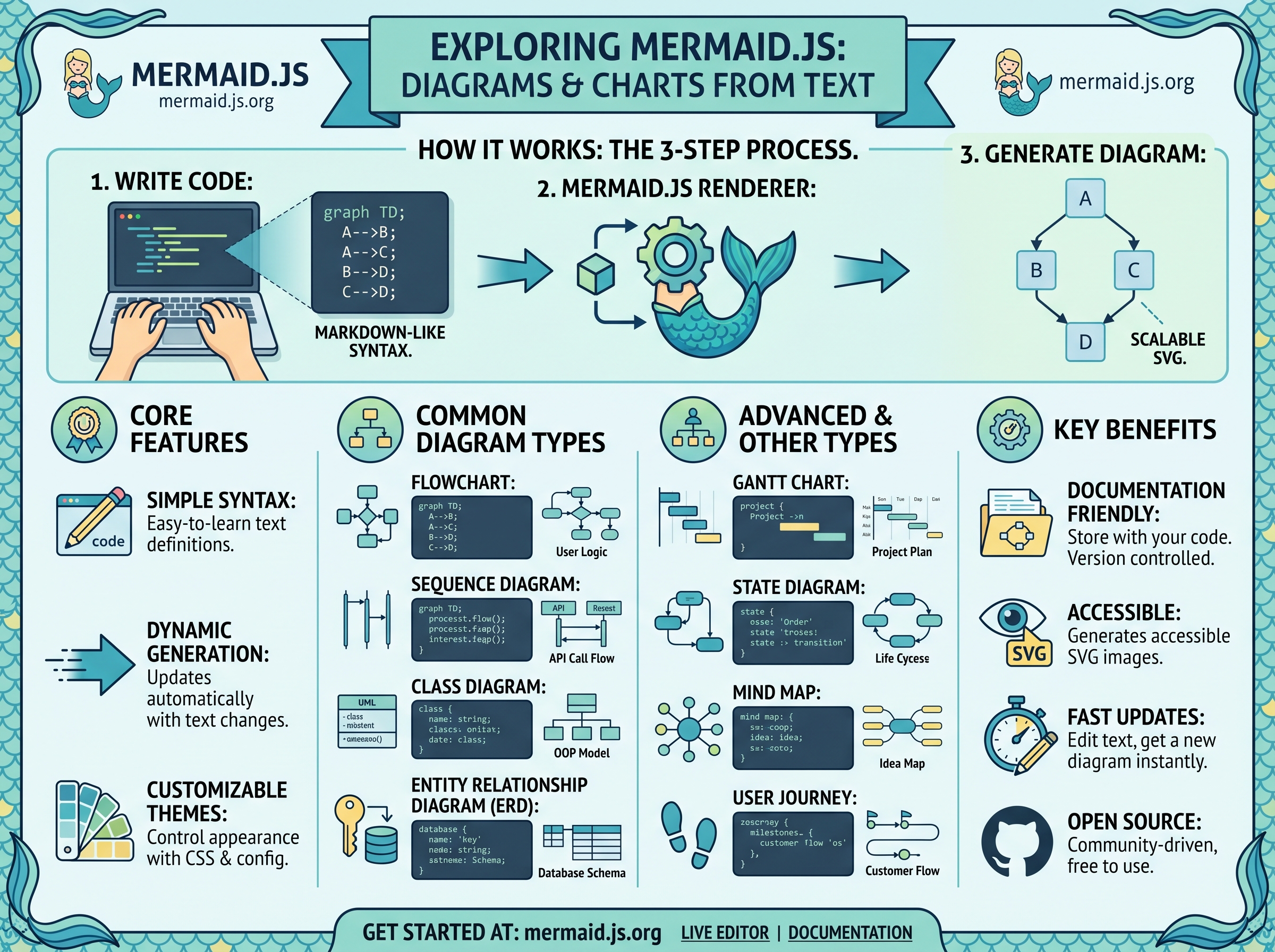
Bramus Van Damme has introduced , a zero-config web component that lets developers render Mermaid diagrams directly in HTML:
graph TD Client --> Server
This AppSignal article provides a useful overview of 17 AI testing tools, organized into five categories: autonomous agents, AI-assisted platforms, script-generation tools, QA services, and specialized solutions
It's a prompt skill that stops your coding assistant from burying the actual answer under filler. Ten rules, all enforced: lead with the next action, number the steps, cap lists at five items, no "hope this helps," no recap, no preamble.